Team Awesome
Board of Directors, Officers and Advisors
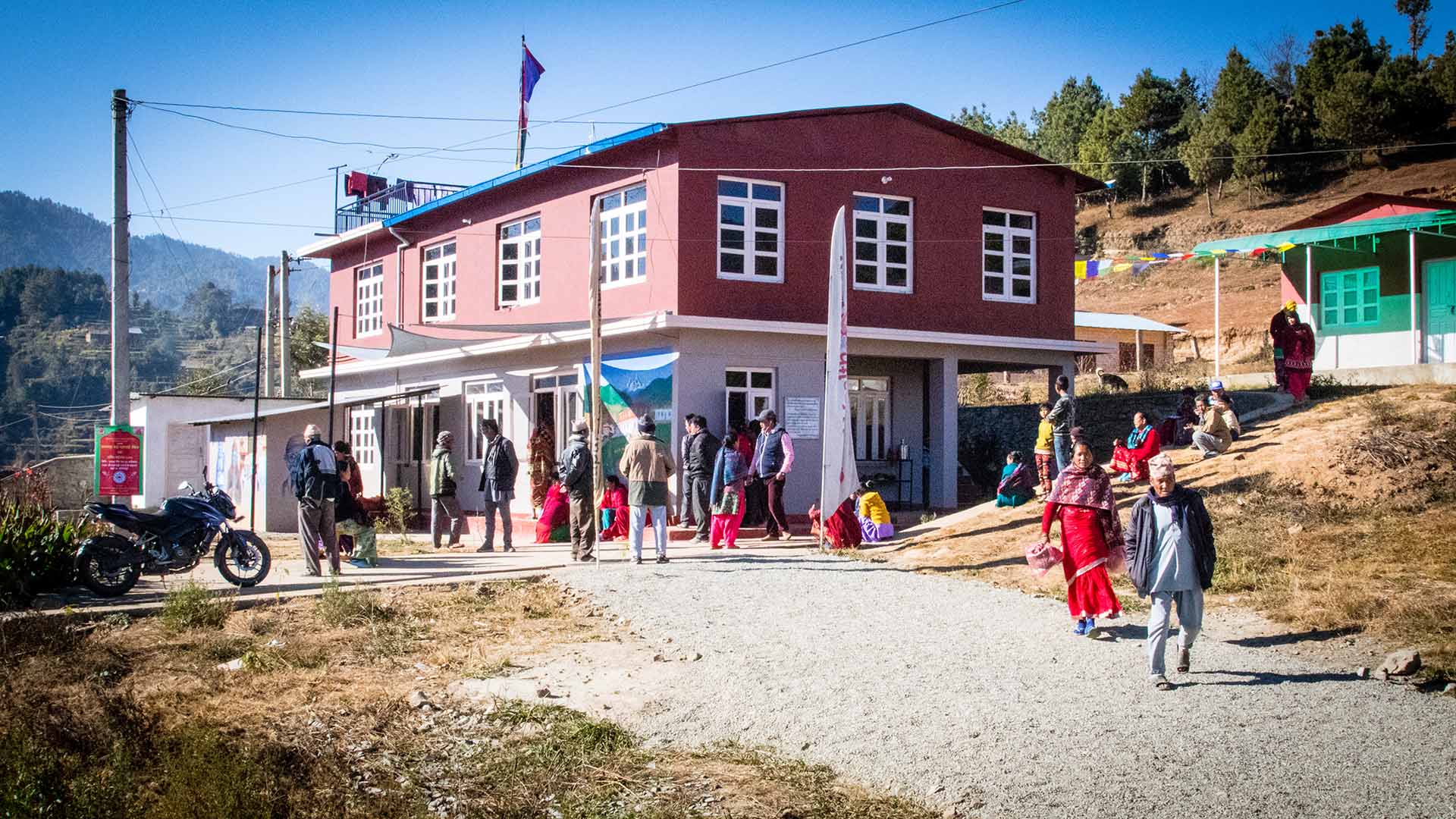
VOLUNTEER COMMUNITY CARE CLINICS IN NEPAL
Nepal remains one of the poorest countries in the world and has been plagued with political unrest and military conflict for the past decade. In 2015, a pair of major earthquakes devastated this small and fragile country.
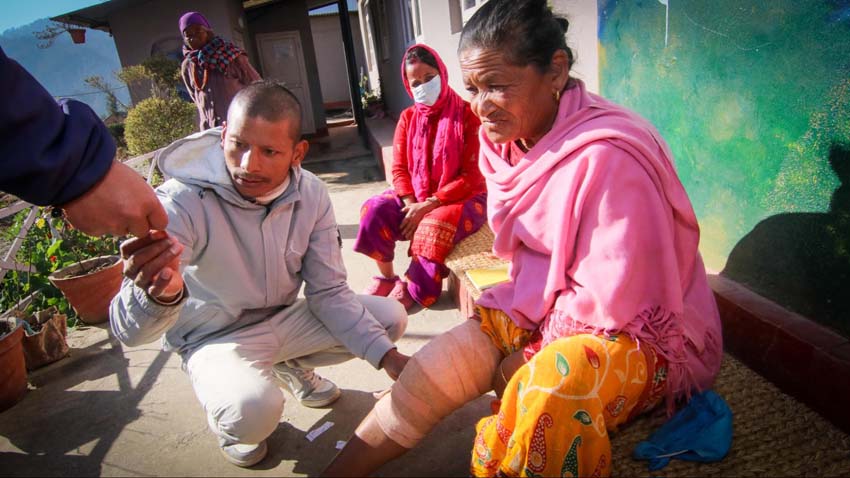
Since 2008, the Acupuncture Relief Project has provided over 300,000 treatments to patients living in rural villages outside of Kathmandu Nepal. Our efforts include the treatment of patients living without access to modern medical care as well as people suffering from extreme poverty, substance abuse and social disfranchisement.
Common conditions include musculoskeletal pain, digestive pain, hypertension, diabetes, stroke rehabilitation, uterine prolapse, asthma, and recovery from tuberculosis treatment, typhoid fever, and surgery.
FEATURED CASE STUDIES
Rheumatoid Arthritis +
35-year-old female presents with multiple bilateral joint pain beginning 18 months previously and had received a diagnosis of…
Autism Spectrum Disorder +
20-year-old male patient presents with decreased mental capacity, which his mother states has been present since birth. He…
Spinal Trauma Sequelae with Osteoarthritis of Right Knee +
60-year-old female presents with spinal trauma sequela consisting of constant mid- to high grade pain and restricted flexion…
Chronic Vomiting +
80-year-old male presents with vomiting 20 minutes after each meal for 2 years. At the time of initial…
COMPASSION CONNECT : DOCUMENTARY SERIES
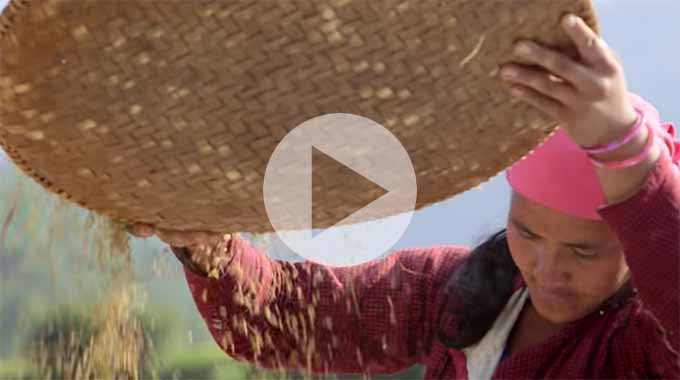
Episode 1
Rural Primary Care
In the aftermath of the 2015 Gorkha Earthquake, this episode explores the challenges of providing basic medical access for people living in rural areas.
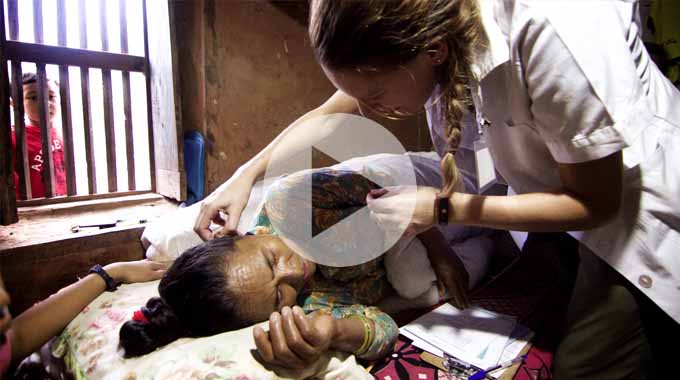
Episode 2
Integrated Medicine
Acupuncture Relief Project tackles complicated medical cases through accurate assessment and the cooperation of both governmental and non-governmental agencies.
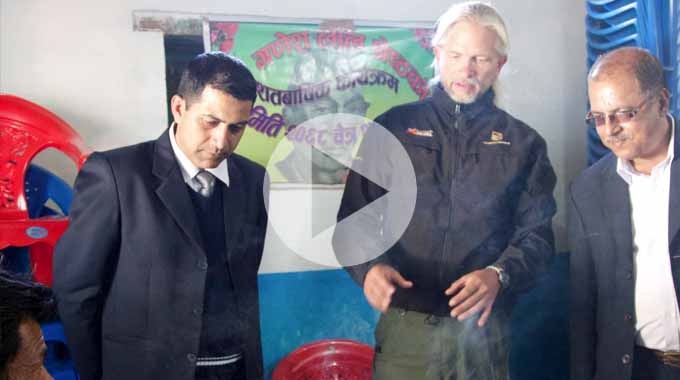
Episode 3
Working With The Government
Cooperation with the local government yields a unique opportunities to establish a new integrated medicine outpost in Bajra Barahi, Makawanpur, Nepal.
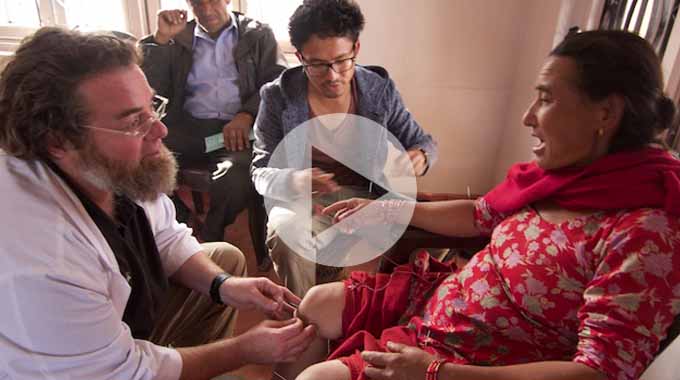
Episode 4
Case Management
Complicated medical cases require extraordinary effort. This episode follows 4-year-old Sushmita in her battle with tuberculosis.
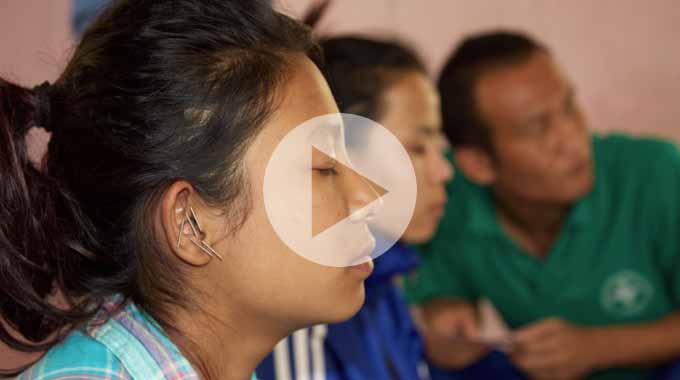
Episode 5
Sober Recovery
Drug and alcohol abuse is a constant issue in both rural and urban areas of Nepal. Local customs and few treatment facilities prove difficult obstacles.
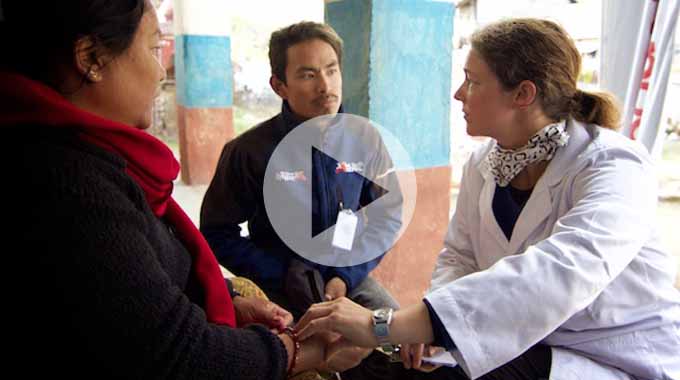
Episode 6
The Interpreters
Interpreters help make a critical connection between patients and practitioners. This episode explores the people that make our medicine possible and what it takes to do the job.
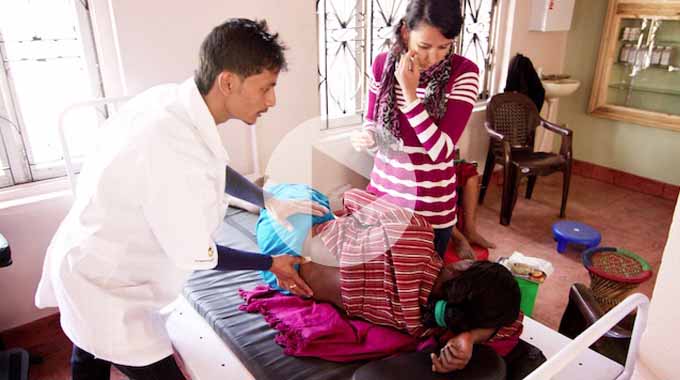
Episode 7
Future Doctors of Nepal
This episode looks at the people and the process of creating a new generation of Nepali rural health providers.
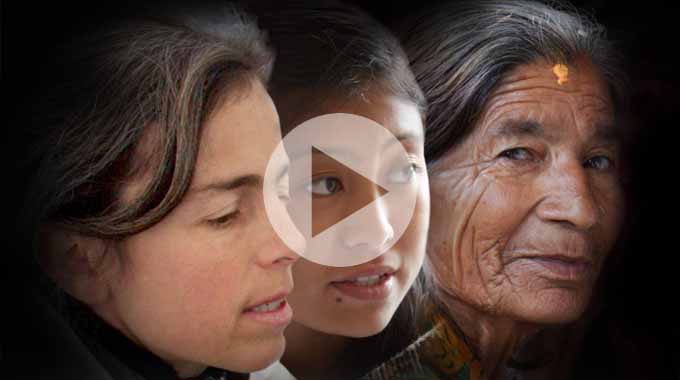
Compassion Connects
2012 Pilot Episode
In this 2011, documentary, Film-maker Tristan Stoch successfully illustrates many of the complexities of providing primary medical care in a third world environment.
From Our Blog
Andrew Schlabach
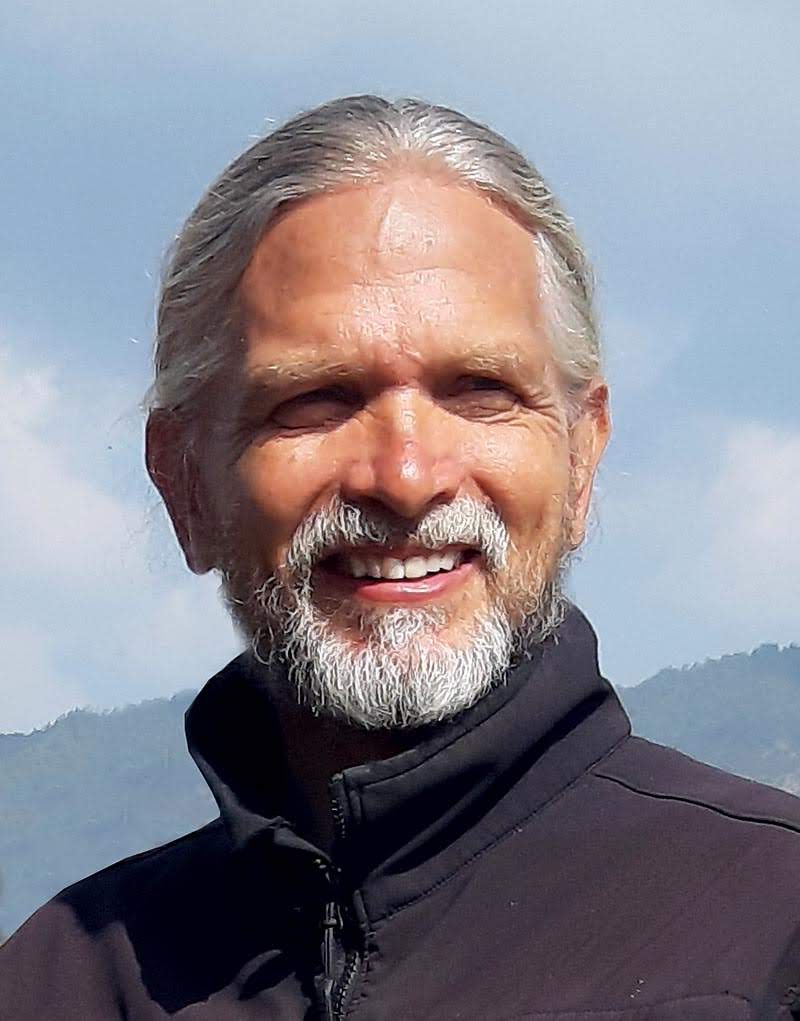
Founder & President, Acupuncture Relief Project
Andrew Schlabach is the Founder and President of the Acupuncture Relief Project (ARP) and the architect of its Healthy Lifestyle Center (HLC) model, an integrative primary-care approach developed for rural, low-resource communities in Nepal. Since ARP’s inception, the organization has provided nearly 600,000 patient visits, with its flagship Bajrabarahi Clinic—now more than a decade old—operating entirely under Nepali leadership since 2021 and serving 1,000–1,200 patient visits per month.
Andrew’s orientation to primary care has evolved over 18 years of clinical work in Nepal. Early experience taught him that the presenting complaint—most often orthopedic pain—is only one part of a broader clinical picture. Effective care requires contextualizing each encounter within the patient’s social environment, comorbidities, and long-term risks. In communities where access to appropriate medical guidance is limited, each pain visit becomes an entry point for relationship-based assessment, non-communicable disease (NCD) risk surveillance, and early detection of infectious and chronic disease complications.
This philosophy shapes his approach to training. Andrew emphasizes accurate diagnosis, structured clinical reasoning, and functional assessment over technical prowess in therapeutics. In his view, technical skill is essential but comparatively “the easy part” of medical management. His teaching centers on the principle: “Understand the problem before trying to solve it.” This framework guides his work as a clinician, mentor, and researcher, and informs ARP’s ongoing development of pragmatic, community-embedded care models.
Andrew currently serves on the faculty at the National University of Natural Medicine, where he teaches orthopedics, advanced acupuncture techniques, and clinical reasoning, and supervises senior interns in integrative primary care. He maintains a private practice at Wintzer Acupuncture in Camas, Washington, and is the author of the Acupuncture and Chinese Herbal Medicine: Clinic Survival Guide, widely used by practitioners and students.
His early academic work—including the creation of a Practice-Based Research Network (PBRN) with the Helfgott Research Institute—established the research orientation that continues to underpin ARP’s programming today. Under his leadership, ARP and Suswasthya Nepal (Good Health Nepal) have conducted multiple long-term observational projects examining treatment effectiveness, patient-reported outcomes, and the integration of routine care with NCD and infectious-disease monitoring.
As ARP’s Nepali clinical team has matured, Andrew’s focus has shifted toward supporting the professionalization of acupuncture within Nepal, strengthening regulatory frameworks, and contributing to national health policy conversations regarding HLC development and NCD management. He now works primarily on clinical training, program development, and advancing recognition of integrative medicine within Nepal’s evolving health system.
Andrew is a U.S. Army veteran and recipient of the Army Commendation Medal for meritorious service. His broader interests include Himalayan mountaineering, world religious traditions, Taiji, and yoga.
Tsering Sango Sherpa
President, Suswasthya Nepal; Nepal Liaison
Tsering Sangpo Sherpa has been a central figure in the Acupuncture Relief Project’s work in Nepal since 2010, when he joined the organization as a medical interpreter trained through ARP’s clinical interpreter program. His skill in facilitating communication across cultures and clinical settings quickly made him an indispensable member of the team.
In 2013, Tsering partnered with ARP to establish Suswasthya Nepal (Good Health Nepal), the project’s domestic NGO. He has served as its President since its founding. Under his leadership, Suswasthya Nepal has helped guide ARP’s expansion into Makwanpur District and played a key role in developing and operationalizing the Healthy Lifestyle Center (HLC) model. Tsering is especially adept at navigating governmental and regulatory pathways, working closely with municipal offices, provincial ministries, and national agencies to advance recognition and legitimacy for integrative primary-care services in rural Nepal.
Born in Thame (a village in the Khumbu region of Nepal) to a family of professional mountaineers, Tsering grew up immersed in the Himalayan climbing community. He is fluent in Nepali, Sherpa, Tibetan, Hindi, and English. Prior to his work in healthcare, he trained in food production at the Academy of Culinary Education in Goa, India—graduating first in his class—and studied classical guitar performance through Trinity College of London.
Today, he manages the Kathmandu office of Suswasthya Nepal and oversees coordination with government partners, local communities, and international collaborators. He also operates Sherpa Khumbiyila Adventures Pvt. Ltd., a mountaineering and trekking agency. Tsering is deeply committed to expanding access to sustainable, community-based health services in Nepal and continues to be a driving force behind ARP’s mission and vision.
Interests: Trekking, mountaineering, outdoor adventure, biking, and contributing to health equity in rural Nepal.
Sheri Barrows
 Secretary, Treasurer, Board Member
Sheri Barrows is the Secretary and Treasurer of Acupuncture Relief Project as well as a professional remote bookkeeper based in Vancouver, Washington. Ms Barrows has traveled extensively in developing countries and has witnessed first hand the tremendous need for affordable and available health care. When the opportunity arose to assist in the start up of ARP, Ms Barrows was eager to participate, allowing her to support the practitioners and the organization and thus by extension, the patients who need them so desperately.
Rebecca "Bex" Goebner
 Advisor, Special Projects
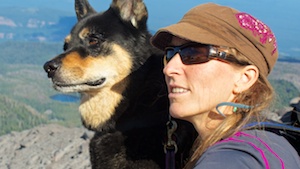
Diane Wintzer
 Advisor, Project Coordinator
Diane Wintzer is the Project Coordinator and an Advisor to the Board for the Acupuncture Relief Project. She has been volunteering as both a Project Lead and Practitioner with ARP since its inception in 2008. Diane graduated from the Oregon College of Oriental Medicine with a Masters in Acupuncture and Oriental Medicine. Diane also holds a B.S. in Environmental Education, received from Western Washington University. Ms Wintzer worked as an instructor and staffing coordinator with the Voyageur Outward Bound School for 9 years and served as the Program Director at the Rio Grande Program Area in Southwest Texas on the US-Mexico border. She has in-depth field experience of traveling with groups in remote regions, facilitating a learning experiences, problem solving, creating an environment of safety, and supporting individuals and groups through both personal and interpersonal challenges. Diane has a love for adventure, medicine, healthcare, and third-world environments. Currently Diane is self-employed in a full-time practice in Camas, Washington.
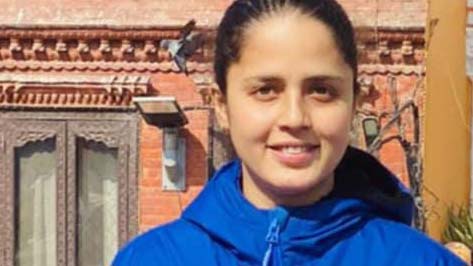
Sita Bakhrel
 Suswasthya Nepal - Project Coordinator, Treasurer, Acupuncturist
Sita Bakhrel is a registered acupuncturist from Dhading, Nepal, with over eight years of clinical experience in acupuncture, cupping, moxibustion, and acupressure. Born and raised in a small farming village, she brings a strong community-centered perspective to her work. She has practiced in several Kathmandu-based institutions, including Huawei International Hospital and Ayush Health Care Center, providing individualized care for pain, stress, and lifestyle-related conditions.
Sita completed her foundational acupuncture training in Kathmandu and later advanced her skills through mentorship with Good Health Nepal and the Acupuncture Relief Project. Her training emphasized anatomy, physiology, integrative treatment planning, primary-care assessments, and patient counseling on diet, lifestyle, and stress management. In 2017, she undertook advanced study at the Hokkaido College of Oriental Medicine in Japan, focusing on Japanese-style needle techniques, specialized moxibustion, and facial cupping/beauty acupuncture. She has also completed basic counseling skills training at Padma Kanya Multiple Campus.
Her academic achievements include distinction-level work in acupuncture and naturopathy, as well as a Bachelor of Arts in Psychology and Home Science, reflecting her interest in holistic, mind–body approaches to care.
Sita currently serves as Project Coordinator for Suswasthya Nepal (Good Health Nepal) in Kathmandu and is a Board Member and Treasurer of the organization. She is dedicated to expanding accessible integrative healthcare and strengthening community-based clinical services in Nepal.
Languages: Nepali, English, Japanese (good), Hindi (basic)
Interests: Traveling, hiking, time in nature, and learning from elders and children through their stories.
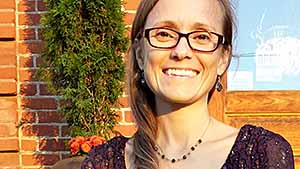
Sarah Richards
 Volunteer Coordinator
Sarah Richards joined Acupuncture Relief Project in 2016 after serving as a volunteer in 2012 and a Team Leader in 2015. She currently volunteers with ARP as the Volunteer Coordinator to continue supporting the project from home.
Sarah has been a Licensed Massage Therapist in the State of Washington since 2000 and is passionate about anatomy and movement as well as alternative healing therapies such as energy medicine, hypnotherapy and spiritual healing.
The self-care that she cultivates for herself is ecstatic dancing, yoga, floating, receiving acupuncture and bodywork, hiking in the PNW, travelling the world, and riding her motorcycle.
Featured Case Studies
Lumbar Stenosis due to Osteoartritis +
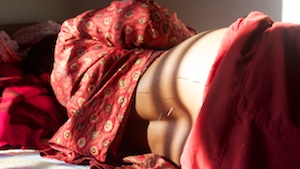
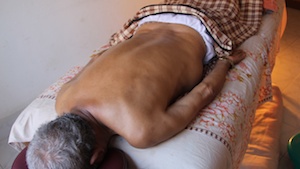
Massage for Chronic Back Pain Associated with Spondylosis of the Spine +
Autism Spectrum Disorder +
Recent Blog Posts
Our Mission
Acupuncture Relief Project, Inc. is a volunteer-based, 501(c)3 non-profit organization (Tax ID: 26-3335265). Our mission is to provide free medical support to those affected by poverty, conflict or disaster while offering an educationally meaningful experience to influence the professional development and personal growth of compassionate medical practitioners.