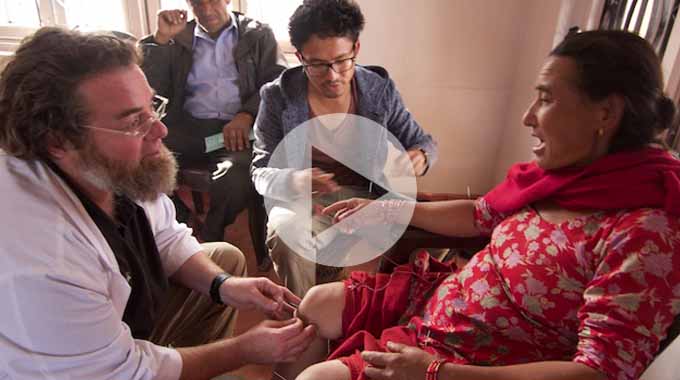
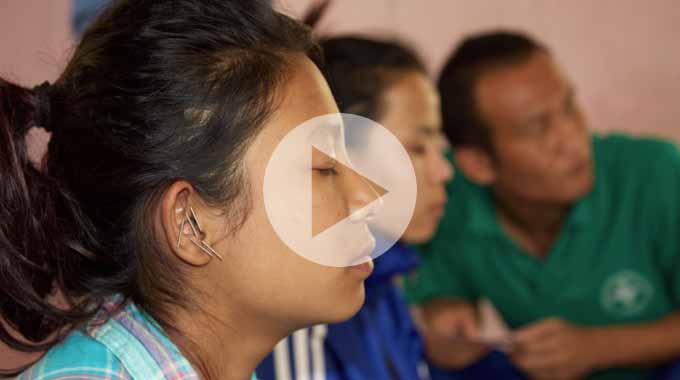
Community acupuncture is a powerful tool in rural and under-served settings—but for us, acupuncture is only one part of a broader primary care model.
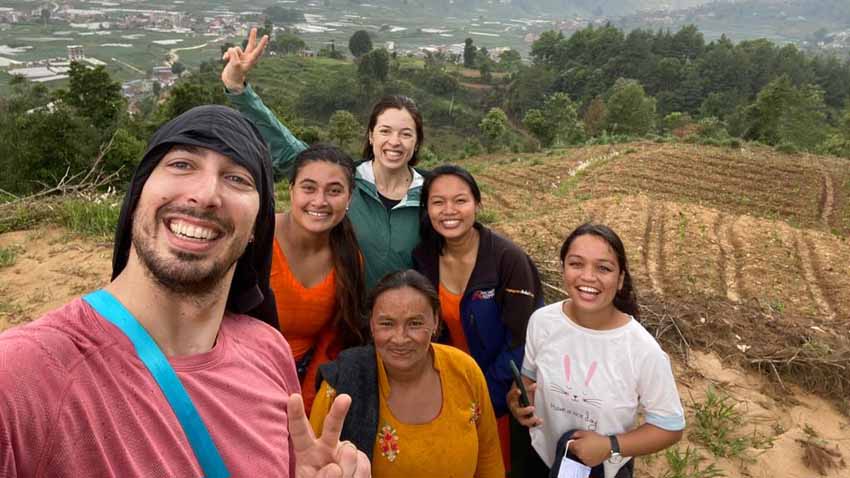
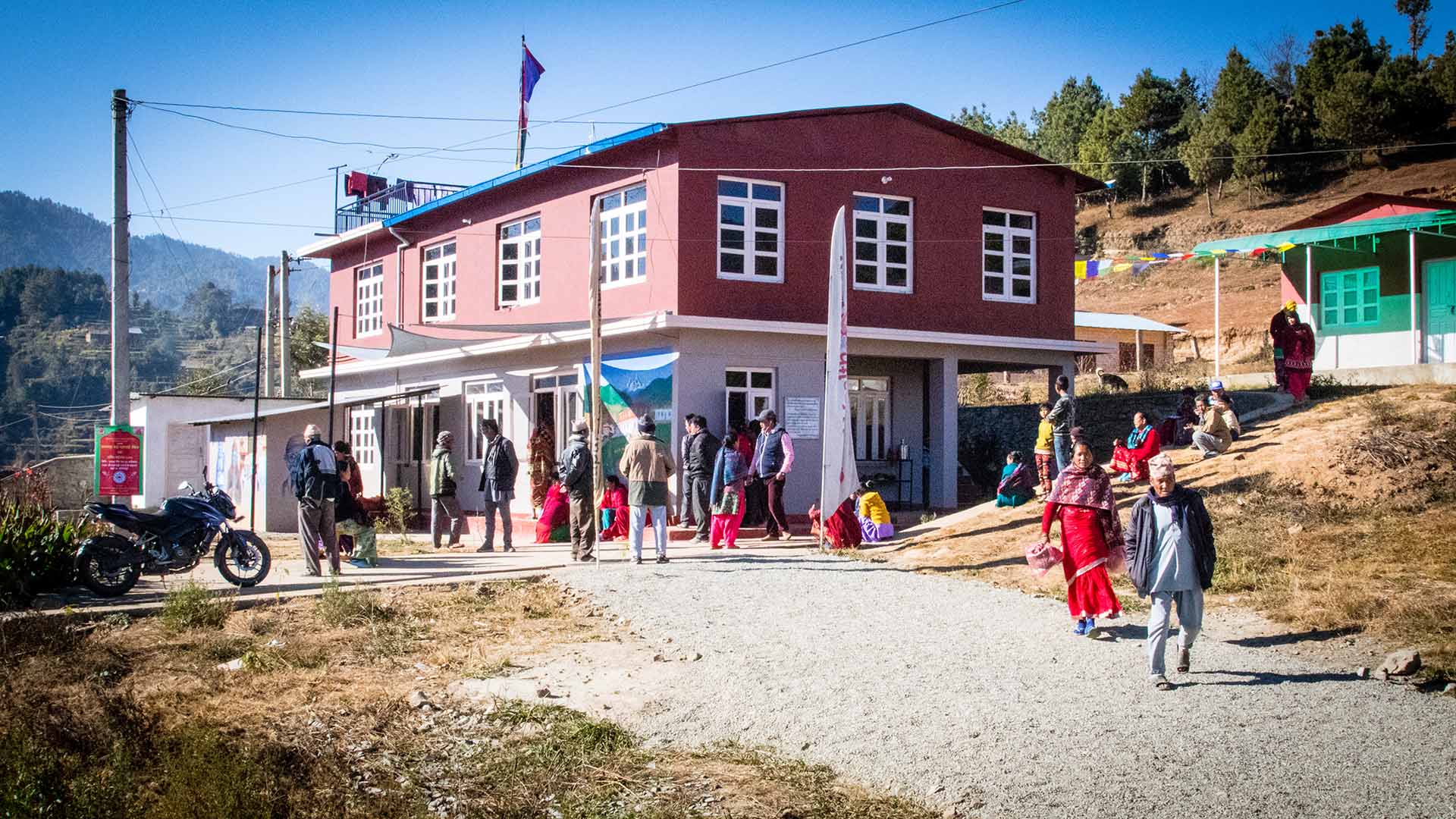
At our Healthy Lifestyle Centers (HLCs) in Nepal, we do not function as “alternative” or “acupuncture-only” clinics. Our teams serve as front-line primary care providers in the communities where we work, offering a cost-efficient, outcomes-focused model of integrative care. Since inception, Acupuncture Relief Project and our Nepali partner Suswasthya Nepal (Good Health Nepal) have provided nearly 600,000 patient visits. Our Bajrabarahi HLC, now over ten years old and fully operated by Nepali staff since 2021, currently sees 1,000–1,200 patient visits per month.
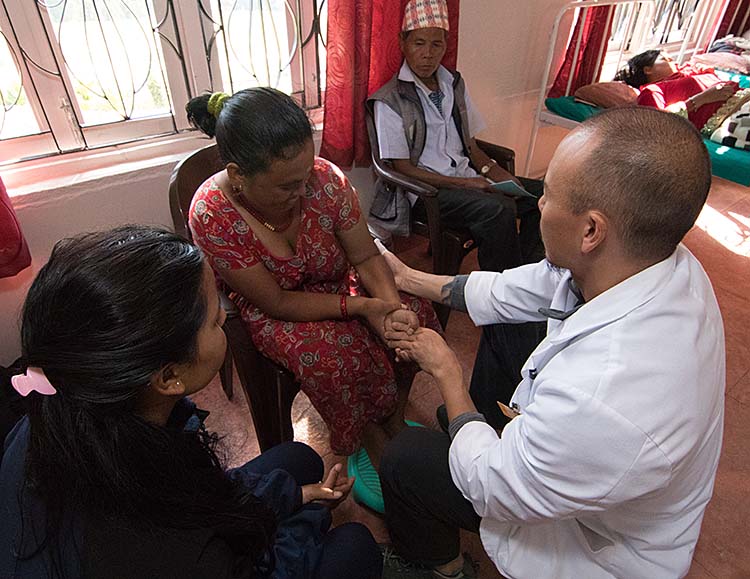
Most patients come to us with orthopedic and chronic pain complaints. These conditions respond well to acupuncture and manual therapies, but they also create an important context for something larger: an ongoing clinical relationship in which we can better understand community needs, screen for both infectious diseases and non-communicable disease (NCD) risks, and intervene early on complications.
Our practitioners provide:
-
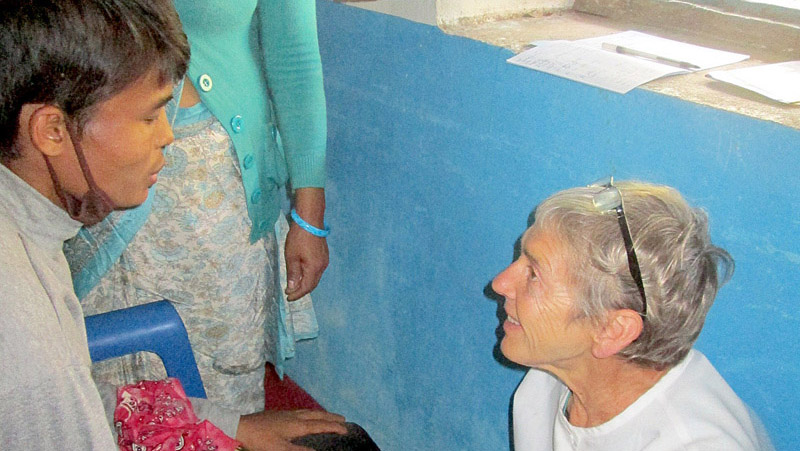
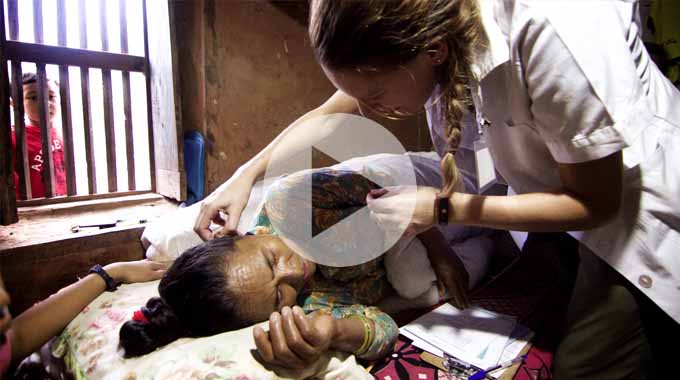
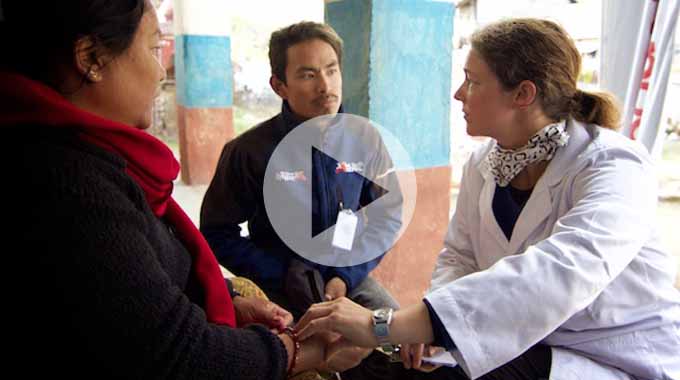
Primary medical assessment and advice – history, physical exam, clinical reasoning, and diagnosis.
-
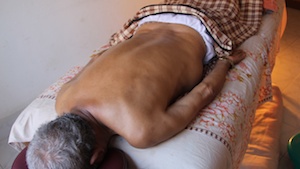
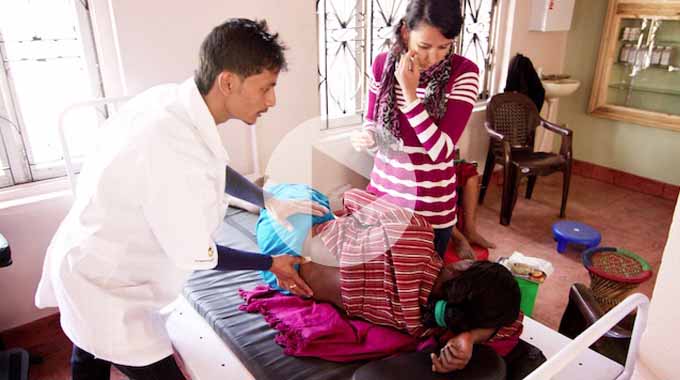
Integrative treatment – acupuncture, manual therapies, lifestyle counseling, and appropriate use of naturopathic and allopathic modalities.
-
Referral and coordination – when available, we refer patients to hospitals and specialists for imaging, surgery, or higher-level care.
In many of the communities we serve, our clinics are the most accessible and trusted source of medical advice. The impact of reliable access to basic, continuous care is difficult to measure fully, but it shifts both individual and community health trajectories.
Why acupuncture in a community clinic?
Within this model, community acupuncture has several advantages:
-
It is low cost and does not depend on a consistent supply of expensive medications.
-
It can be taught to other healthcare workers, expanding local capacity to manage chronic pain and other conditions.
-
It is effective for musculoskeletal and neuropathic pain, neurological conditions, digestive disorders, anxiety, and stress-related syndromes.
-
It addresses physical and mental health simultaneously, supporting sleep, mood, and function.
-
It is safe, non-addictive, and has few significant side effects when practiced correctly.
-
It is adaptable across language and cultural barriers, relying heavily on observation and palpation rather than complex verbal explanations.
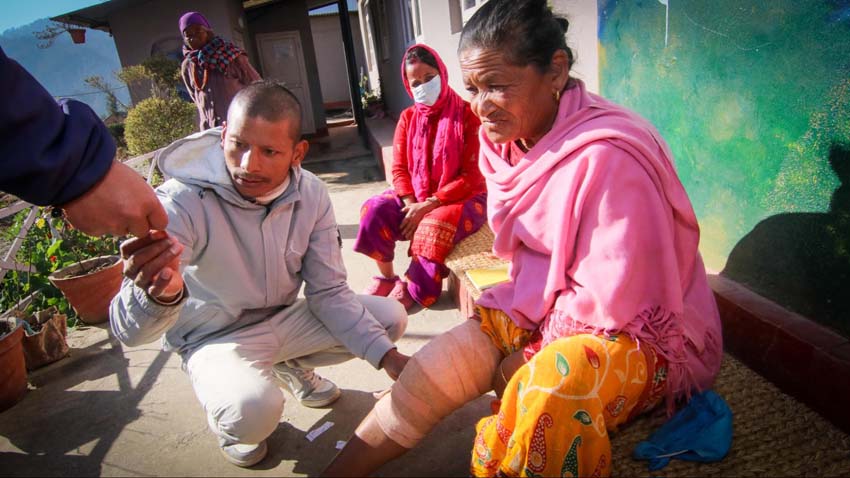
We typically treat patients in a group setting—fully clothed, seated in chairs. This approach allows us to:
-
Provide high-volume, high-contact care in resource-limited environments.
-
Create a healing community space, which is especially important where trauma, migration, or disaster have affected the entire population.
-
Allow individuals and the broader community to experience healing together, reducing isolation and stigma.
What practitioners gain
Clinicians who work with us deepen their skills in:
-
Accurate clinical assessment and differential diagnosis
-
Functional, whole-person treatment planning
-
Working within cultural, linguistic, and resource constraints
-
Providing care that is compassionate, evidence-informed, and community-oriented
These experiences reshape how they understand primary care and influence how they serve patients when they return home.
How you can help
Please consider supporting our work by making a tax-deductible donation. Your contribution directly supports:
-
Essential medical supplies and clinic operations
-
Interpreter services and community health outreach
-
Training and mentorship for Nepali clinicians
Even modest donations translate into many patient visits and meaningful, ongoing relationships with communities that have limited access to primary care. Together, we can continue to deliver safe, effective, and sustainable integrative healthcare in rural Nepal.
Make a tax deductible contribution now
contact us for more information.
We sincerely thank you for your support.