Founder & President, Acupuncture Relief Project
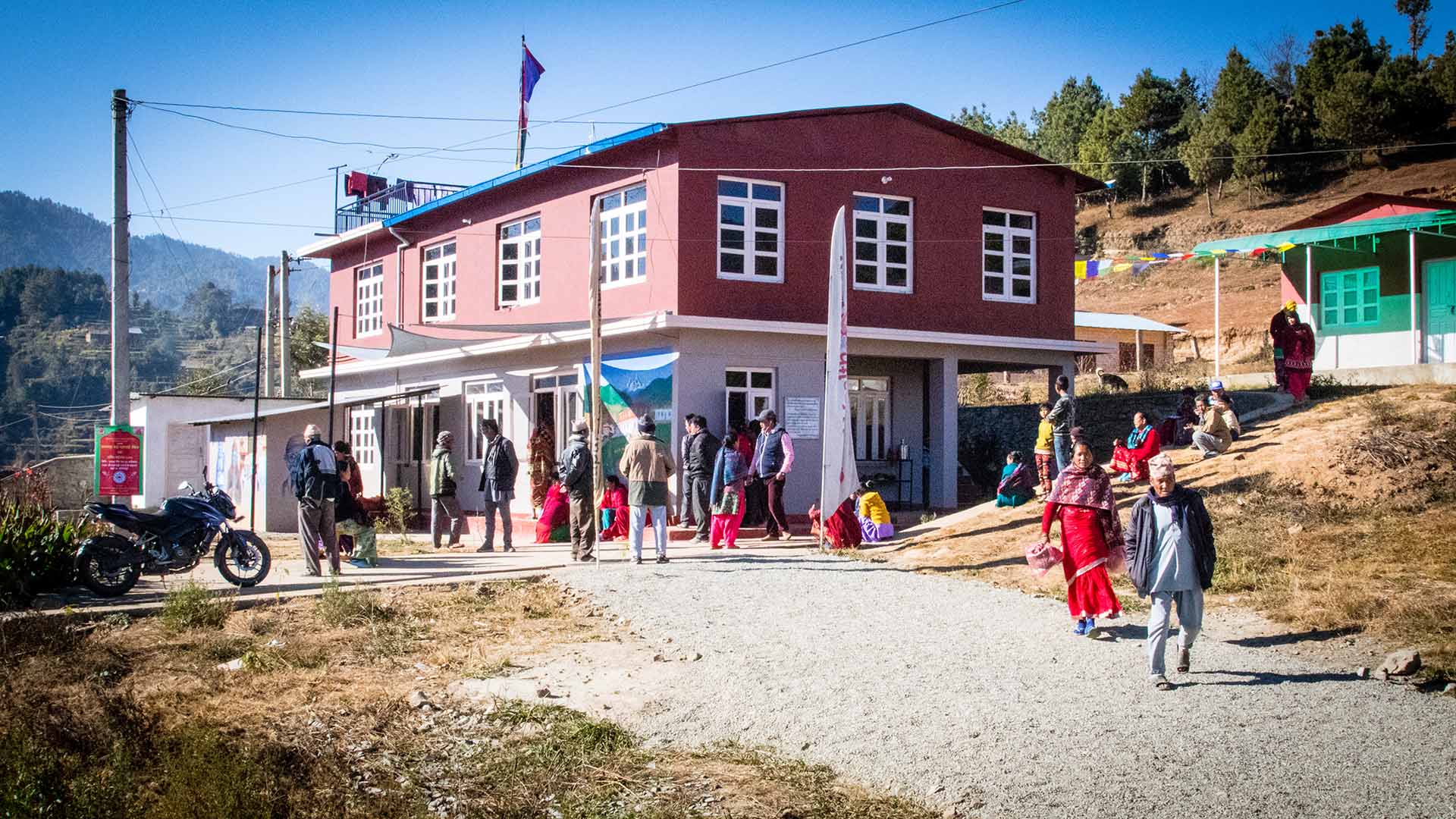
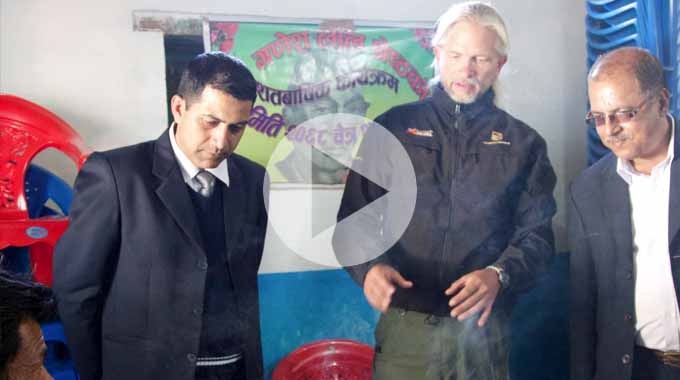
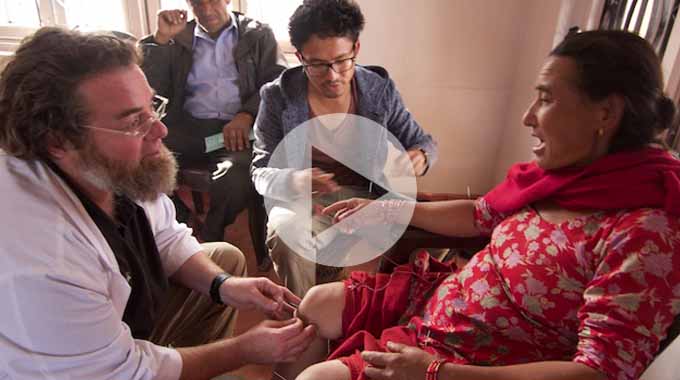
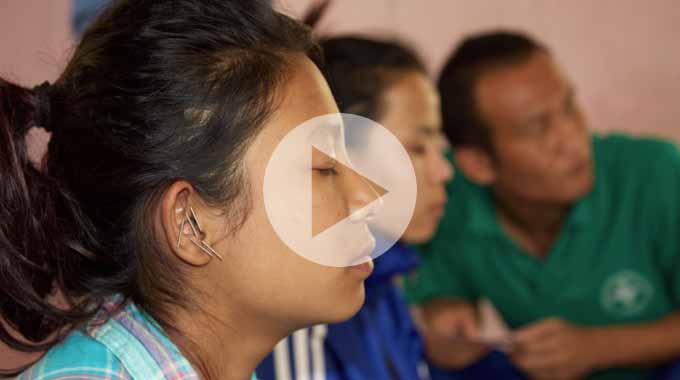
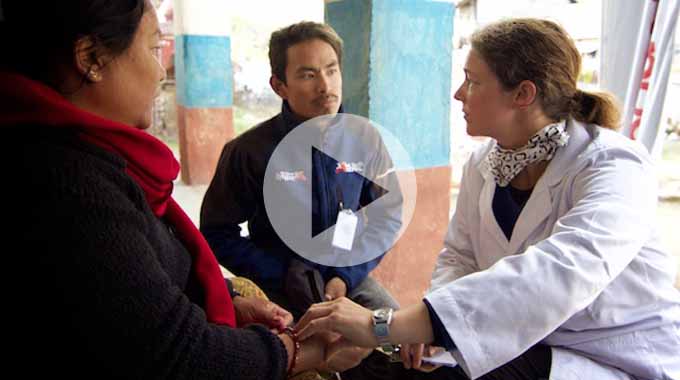
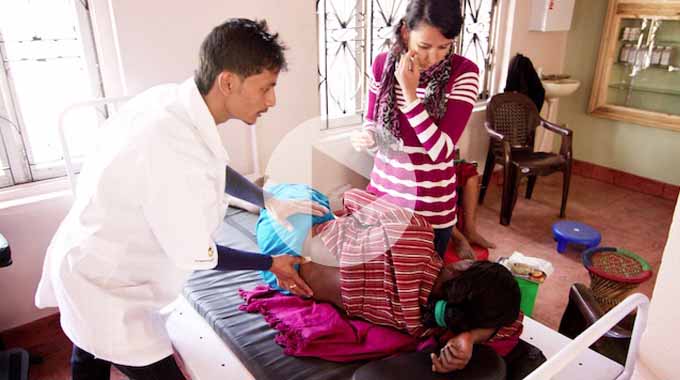
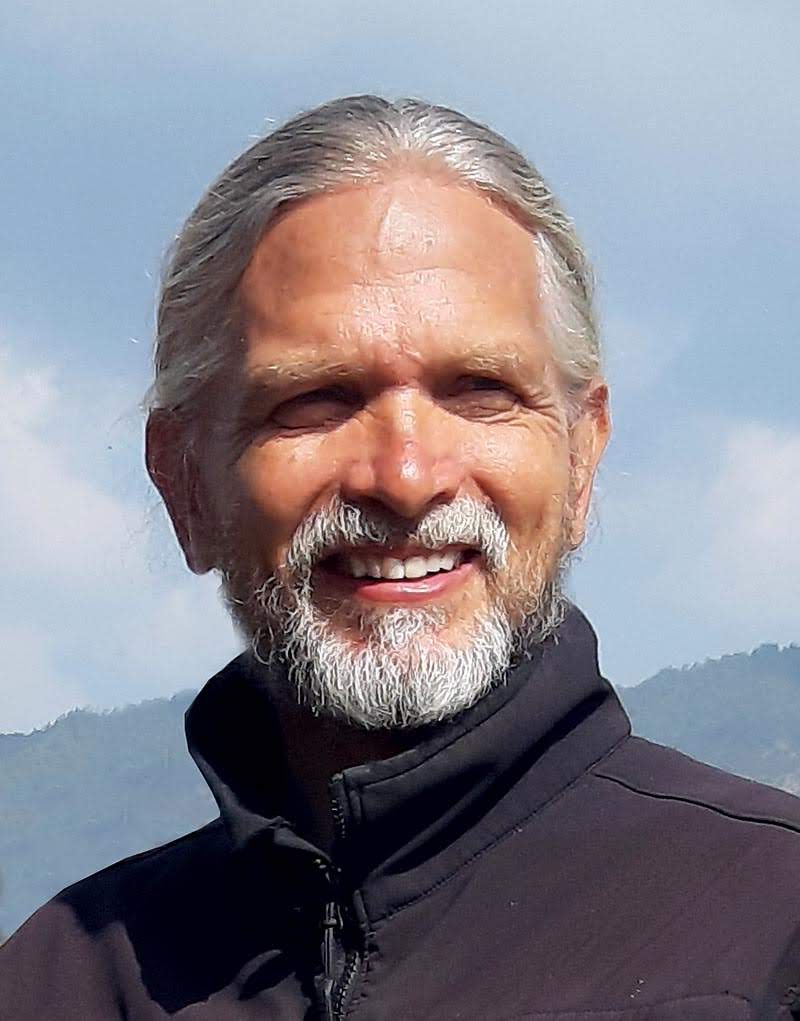
Andrew Schlabach is the Founder and President of the Acupuncture Relief Project (ARP) and the architect of its Healthy Lifestyle Center (HLC) model, an integrative primary-care approach developed for rural, low-resource communities in Nepal. Since ARP’s inception, the organization has provided nearly 600,000 patient visits, with its flagship Bajrabarahi Clinic—now more than a decade old—operating entirely under Nepali leadership since 2021 and serving 1,000–1,200 patient visits per month.
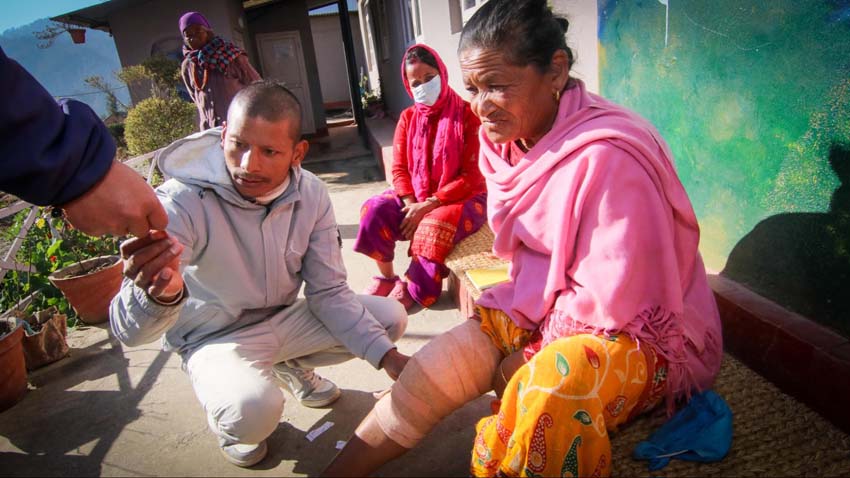
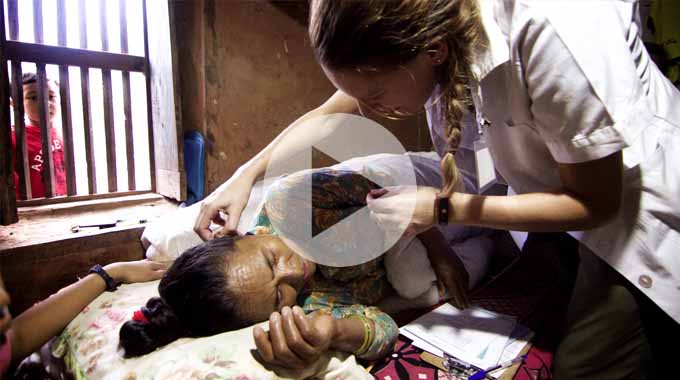
Andrew’s orientation to primary care has evolved over 18 years of clinical work in Nepal. Early experience taught him that the presenting complaint—most often orthopedic pain—is only one part of a broader clinical picture. Effective care requires contextualizing each encounter within the patient’s social environment, comorbidities, and long-term risks. In communities where access to appropriate medical guidance is limited, each pain visit becomes an entry point for relationship-based assessment, non-communicable disease (NCD) risk surveillance, and early detection of infectious and chronic disease complications.
This philosophy shapes his approach to training. Andrew emphasizes accurate diagnosis, structured clinical reasoning, and functional assessment over technical prowess in therapeutics. In his view, technical skill is essential but comparatively “the easy part” of medical management. His teaching centers on the principle: “Understand the problem before trying to solve it.” This framework guides his work as a clinician, mentor, and researcher, and informs ARP’s ongoing development of pragmatic, community-embedded care models.
Andrew currently serves on the faculty at the National University of Natural Medicine, where he teaches orthopedics, advanced acupuncture techniques, and clinical reasoning, and supervises senior interns in integrative primary care. He maintains a private practice at Wintzer Acupuncture in Camas, Washington, and is the author of the Acupuncture and Chinese Herbal Medicine: Clinic Survival Guide, widely used by practitioners and students.
His early academic work—including the creation of a Practice-Based Research Network (PBRN) with the Helfgott Research Institute—established the research orientation that continues to underpin ARP’s programming today. Under his leadership, ARP and Suswasthya Nepal (Good Health Nepal) have conducted multiple long-term observational projects examining treatment effectiveness, patient-reported outcomes, and the integration of routine care with NCD and infectious-disease monitoring.
As ARP’s Nepali clinical team has matured, Andrew’s focus has shifted toward supporting the professionalization of acupuncture within Nepal, strengthening regulatory frameworks, and contributing to national health policy conversations regarding HLC development and NCD management. He now works primarily on clinical training, program development, and advancing recognition of integrative medicine within Nepal’s evolving health system.
Andrew is a U.S. Army veteran and recipient of the Army Commendation Medal for meritorious service. His broader interests include Himalayan mountaineering, world religious traditions, Taiji, and yoga.